A PRACTICAL WALLET COMPANION GUIDE

Trezor Suite: A Complete Desktop & Web App Guide

Trezor Suite is a companion interface for organizing accounts and interacting with a Trezor hardware wallet. Learn how its desktop and web experiences fit together, what to expect when connecting a device, and which everyday security habits matter most.

Explore Trezor Suite
iIndependent educational guide
Not an official Trezor website
HARDWARE WALLET / OVERVIEW
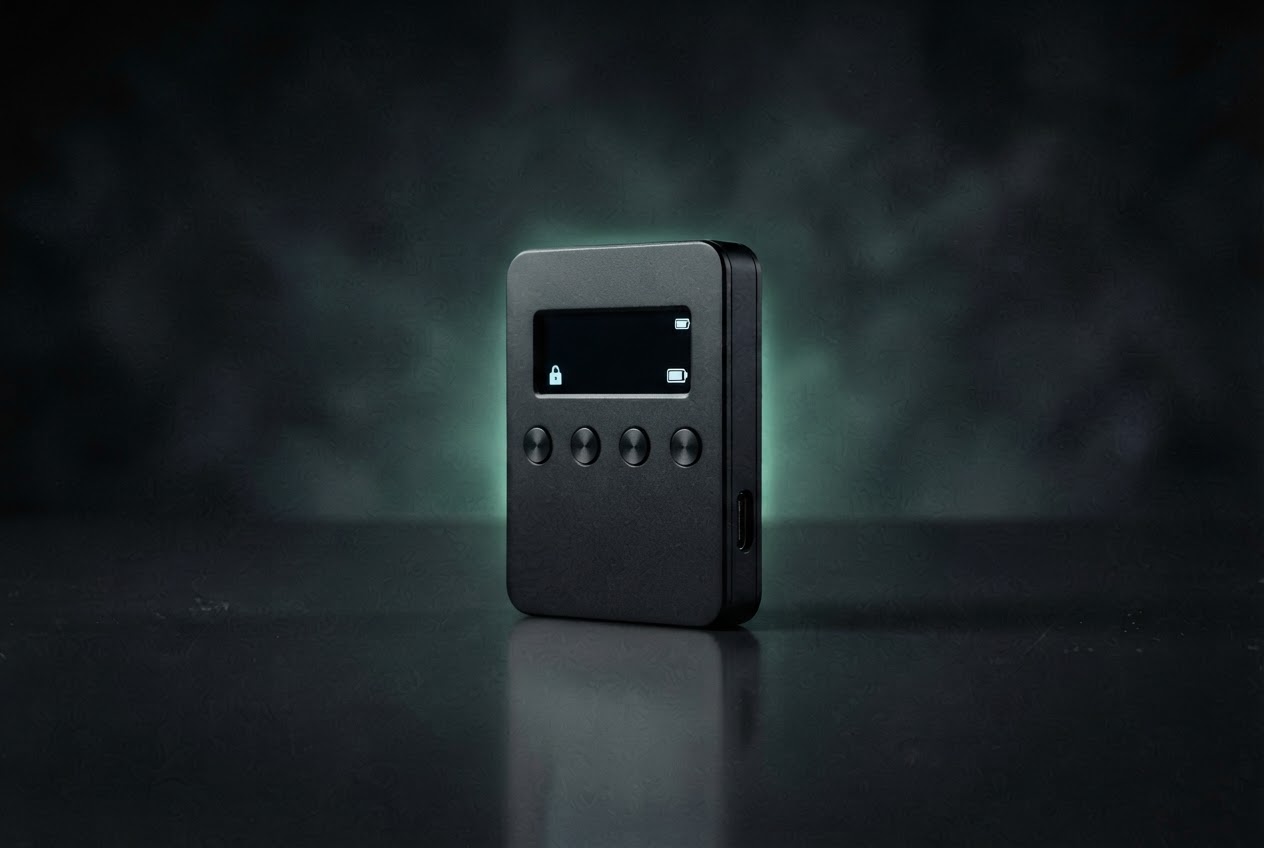
Black compact hardware wallet device shown upright against a softly lit charcoal studio background
SECURITY STARTS OFFLINE01 — 04
01 / THE BASICS

One interface.
Your keys stay yours.

Trezor Suite brings wallet information and common account tasks into a single interface that works with a compatible Trezor device. This guide is here to help you understand the experience—not to promise returns or replace the product’s own instructions.

Use it as a calm starting point: get familiar with the layout, understand what device prompts mean, and build a deliberate routine before managing digital assets.

02 / YOUR WORKSPACE

Get to know the experience

Choose the setup that suits how you work. Either way, verify important steps on your device.

01 / GUIDE

Desktop experience

A dedicated environment for checking balances, reviewing activity, and managing supported accounts.

Read the guide
02 / GUIDE

Web experience

A browser-based route to the Suite interface, with device connection and security checks still central.

Read the guide
03 / GUIDE

Device connection

A clear connection flow helps you verify prompts on your hardware wallet before you approve actions.

Read the guide
03 / DESKTOP

Understanding the Desktop Experience

The desktop version gives you a focused place to review wallet accounts, transaction history, and available actions while your Trezor is connected. Downloading software is a security-sensitive step: find the current download through a source you verify independently, and check that you are not following an advertisement or unsolicited link.

After opening the app, take a moment to orient yourself. Account lists, balances, and recent activity are informational views; they are not proof that a transaction is correct. Compare addresses and amounts carefully, and treat any unexpected warning or device prompt as a reason to pause. A desktop installation may also make regular use convenient, but it does not remove the need to protect your computer and device.

04 / WEB

Exploring the Web Experience

A browser experience can be useful when you prefer not to install a desktop application. It offers a way to access Suite features through a compatible browser, but the browser itself does not become your wallet and should not be treated as a substitute for the hardware device.

Check the address bar before connecting, avoid links from messages or pop-ups, and do not continue if a page looks unfamiliar. Close other tabs or extensions that you do not trust, and carefully read any connection request. As with any web-based wallet interface, availability and supported features can change, so consult current product guidance rather than assuming every browser or operating system behaves identically.

05 / DEVICE SETUP

Connecting a Trezor Device

Connect using a cable and port that you trust, then follow the Suite and device instructions in order. Depending on the model and software state, you may be asked to unlock the device or complete setup steps. Read each screen rather than rushing through prompts.

The hardware device is an important verification surface. Check details shown on its display—especially receiving addresses and transaction information—before confirming. If Suite and the device show different information, stop and investigate instead of approving.

CONNECTION FLOW DEVICE LEDGER
  1. 01
    ConnectUse a trusted cable and port
    ✓
  2. 02
    Review promptsRead Suite and device instructions
    ✓
  3. 03
    Verify on deviceConfirm the details match
    ✓
06 / ACCOUNTS

Managing Crypto Accounts

Suite can organize supported accounts so you can review activity and balances in a consistent place. Account availability depends on the assets, device, software version, and current support. An account view is a way to inspect wallet activity; it is not a guarantee of value, liquidity, or future performance.

When receiving funds, use the relevant account and network, then verify the full receiving address on your Trezor display whenever the device supports that confirmation. For outgoing transactions, check the destination, amount, network, and any displayed fee. A small test transfer may be worth considering when appropriate, but it does not remove the need to validate every detail. Keep a simple record of what you intended to do, and avoid approving transactions you do not understand.

07 / SECURITY & CARE

Good habits are part
of the interface.

Treat security as a repeatable practice. Suite can help present information, but only you can protect your recovery material and decide what to approve.

01

Protect recovery words

Write them down and keep them offline in a private, secure place. Never share them with a person, website, or support chat.

02

Verify every approval

Read the device display before confirming. If a prompt is unexpected or unclear, reject it and investigate.

03

Keep software current

Use trusted sources for Suite and device updates. Review update instructions and never install files sent by strangers.

↻
Keeping Software Updated

Updates may include changes to features, compatibility, or security. Check the current release and instructions from a source you trust, and make sure you understand any device prompts before proceeding.

STAY INFORMED
08 / FIRST STEPS

Common Beginner Questions

Clear answers for the things people usually want to know first.

Q1

Is Trezor Suite the same thing as a hardware wallet?

No. Suite is an interface used with a Trezor device. The device is the hardware wallet; use its own display to verify important details.

Q2

Do I need the desktop app?

Not necessarily. A web experience may be available, depending on current product support and your setup. Choose a route that suits you and verify you are using the genuine service.

Q3

Can I share my recovery words with support?

No. Recovery words should remain private and offline. Anyone asking you to reveal them should be treated as suspicious.

Q4

What should I do if an address looks different?

Do not approve the transaction. Stop, verify the address and details on your device, and seek trusted product guidance if you cannot explain the difference.

09 / KEEP IT CLOSE

Quick Trezor Suite Checklist

A short pause before you act can make a meaningful difference. Use this checklist as a reminder, not a substitute for current official instructions.

Back to the top
  • Install or open the Suite from a source you independently verify
  • Connect your Trezor and follow on-screen instructions
  • Confirm sensitive details on the device display
  • Keep recovery words offline and private
  • Review addresses and transaction details before approving